
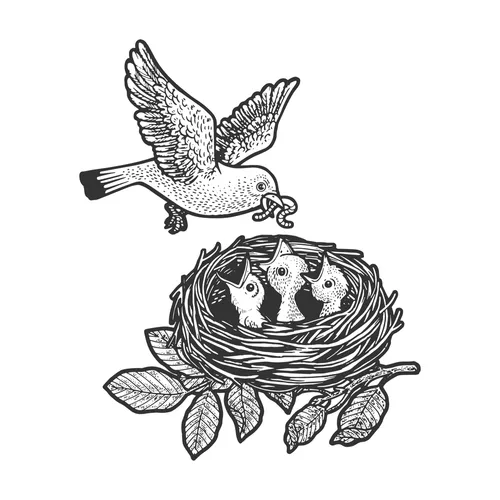
There is a particular kind of longing that often goes unspoken—quiet, persistent, and deeply woven into the fabric of who we are. It doesn’t always have clear edges, and it isn’t always easy to articulate. This is mother hunger.
Mother hunger is not simply the absence of a mother. It is the absence—or inconsistency—of the emotional experience we needed from a mother: to feel seen, soothed, safe, and supported. It can exist even when a mother was physically present, even loving in her own way. What was missing was not necessarily care, but attuned care.
Attuned care is the ability to accurately notice, understand, and respond to another person’s emotional and relational needs in a way that feels supportive, safe, and aligned with their experience. Attuned care is not just meeting a need—it’s meeting the right need, in the right way, at the right time.
The Adult Echo
Mother hunger shows up in different ways for different people. For some, it is a deep ache for comfort that never quite feels fulfilled. For others, it appears as a relentless drive to achieve, to be “enough,” or to earn love that feels just out of reach. It may live in patterns of people pleasing, difficulty trusting others, or feeling emotionally alone even in close relationships.
Sometimes it’s subtle—a vague sense of emptiness, a longing without a clear object. Other times, it is more pronounced: grief, anger, or confusion about why something essential feels missing.
Bringing awareness to mother hunger allows us to hold these patterns with compassion rather than judgment.
Healing Mother Hunger
Healing does not mean erasing the past. It means building new experiences that gently meet the needs that were once unmet.
This can look like:
- Naming the experience: Simply acknowledging “this is mother hunger” can be profoundly validating.
- Grieving what wasn’t received: Allowing space for sadness, anger, or longing without minimizing it.
- Developing self-attunement: Learning to notice and respond to your own emotional needs with care.
- Experiencing corrective relationships: Safe, consistent, and attuned connections—whether in therapy, friendships, or community—can help reshape internal expectations.
Importantly, mother hunger is not about blame. Many mothers did the best they could with the resources, histories, and capacities they had. Understanding mother hunger is not about assigning fault, but about naming an experience so that healing can begin.
